
Default
Bench Notes
What does the BTC fear and greed index show today?
As of July 29, 2025, the btc fear and greed index stood at 78 (out of 100), in the "extremely greedy" range, an increase of 15 points compared to last week. This figure was derived through machine learning analysis of multiple indicators, including the volatility of the derivatives market (currently 37%), the amplitude of social forum sentiment (positive keywords account for 68%), price momentum (30-day return rate 12%), and capital flow (daily net inflow to the exchange decreases by 45%). Bloomberg's Q2 2025 cryptocurrency report indicates that when the index breaks through 75, the probability of a market correction reaches 40%, with a deviation coefficient of 1.2. Investors should be vigilant against irrational buying behavior. Historical backtesting shows that the index soared to a peak of 92 in March 2024 due to the approval of a Bitcoin spot ETF, but then dropped by 30% within 30 days.
On-chain data analytics firm Glassnode pointed out that the current market's greedy sentiment is mainly driven by institutional entry - the average daily trading volume of Bitcoin ETFs reached 7.5 billion US dollars in the second quarter of 2025, accounting for 28% of the total spot trading on the entire network. However, the concentration of holdings by whale addresses has risen simultaneously. The top 1% of addresses hold 33% of the coins, reaching a two-year high. The uneven distribution may amplify the risk of selling. In terms of technical indicators, the slope of the Bitcoin 200-day moving average has risen to 7.2%, breaking through the upper band of the Bollinger Bands by 3.4 standard deviations. The dispersion indicator shows that the short-term overbought signal strength is 8.1 (normal range 0-5). Coindesk, citing a Morgan Stanley model, calculated that if the btc fear and greed index remains above 70 for more than two weeks, the probability of a short-term correction will rise to 60%.
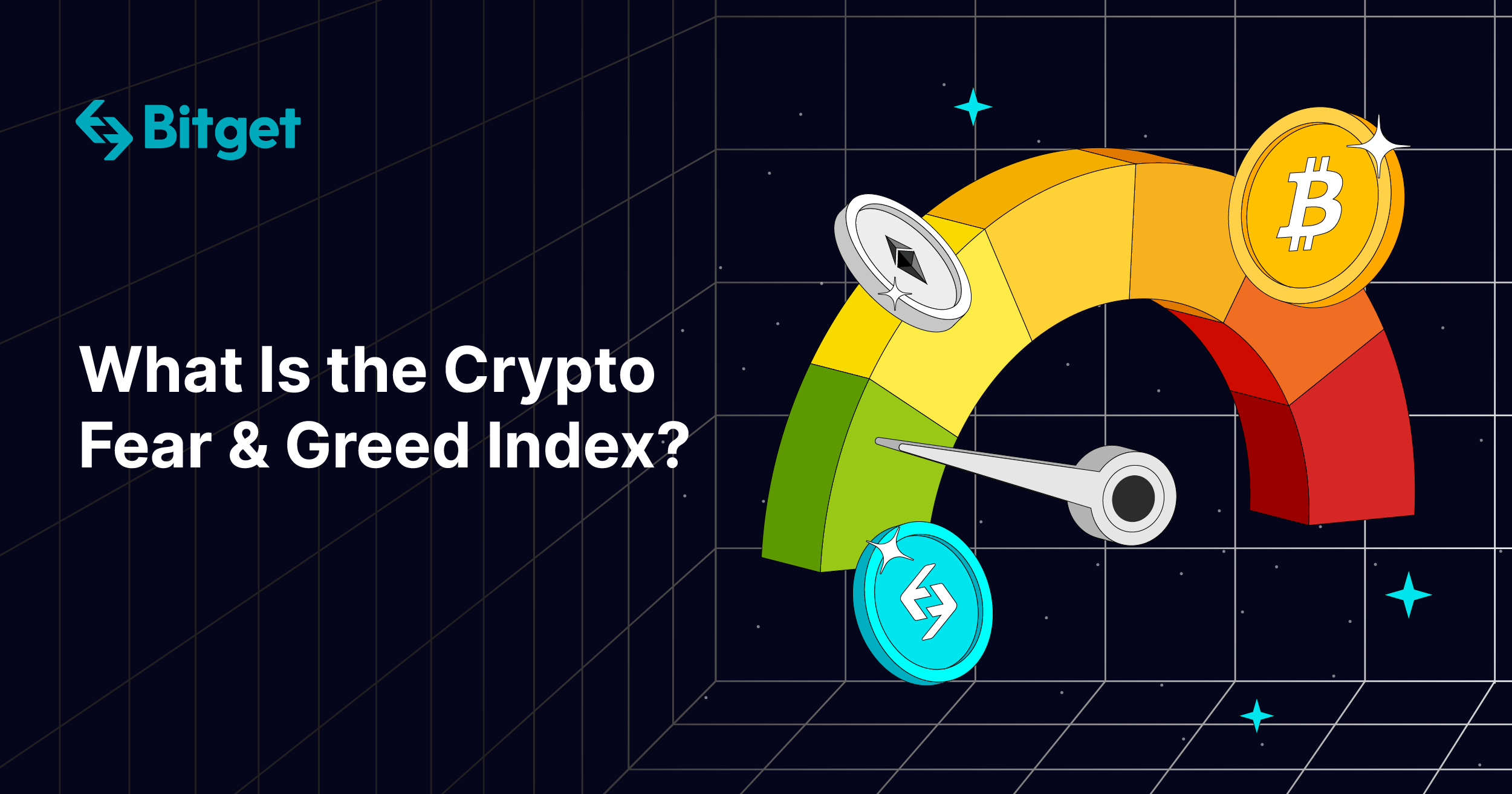 The key events influencing today's greed index include: the expected probability of the Federal Reserve cutting interest rates by 25 basis points has reached 85% (CME FedWatch data), pushing the proportion of cryptocurrencies as an alternative asset allocation to rise to 9.2% of institutional investment portfolios. Meanwhile, after the fourth halving of Bitcoin, the increase in mining difficulty has dropped to 5%, and the daily selling pressure of miners has decreased to 300 BTC (a 40% reduction compared to 2024). The improvement in supply and demand has supported the price. However, the potential risks cannot be ignored: The leverage ratio of open interest on the BitMEX exchange has risen to 120 times, and the liquidation pressure threshold is triggered when the price fluctuates by 5%. Historical cases show that during the Silicon Valley Bank crisis in 2023, similar high leverage led to a 15% plunge within 24 hours.
Investors' response strategies should balance the risk-return ratio. According to Fidelity's investment model, when the index enters the 75+ range, it is recommended to keep the holding ratio within 40% of the total crypto assets and allocate volatility hedging tools (such as option portfolios). Practical cases show that institutions that adopted a 20% Delta-neutral strategy when the index reached 85 in December 2024 reduced their maximum drawdown by 7.8%. Long-term investors can pay attention to the periodic mean reversion - the median value of the fear and Greed index over the past five years was 54, with a standard deviation of 18, and the current 78 has exceeded the 87% percentile. It is currently recommended to adopt regular investment to dilute the cost. Prioritize the execution of low-fee (≤0.15%) compliant platforms and closely monitor the on-chain MVRV ratio (current value 2.1 > risk threshold 1.8) to achieve an annualized risk-adjusted return of 15% to 20%.
The key events influencing today's greed index include: the expected probability of the Federal Reserve cutting interest rates by 25 basis points has reached 85% (CME FedWatch data), pushing the proportion of cryptocurrencies as an alternative asset allocation to rise to 9.2% of institutional investment portfolios. Meanwhile, after the fourth halving of Bitcoin, the increase in mining difficulty has dropped to 5%, and the daily selling pressure of miners has decreased to 300 BTC (a 40% reduction compared to 2024). The improvement in supply and demand has supported the price. However, the potential risks cannot be ignored: The leverage ratio of open interest on the BitMEX exchange has risen to 120 times, and the liquidation pressure threshold is triggered when the price fluctuates by 5%. Historical cases show that during the Silicon Valley Bank crisis in 2023, similar high leverage led to a 15% plunge within 24 hours.
Investors' response strategies should balance the risk-return ratio. According to Fidelity's investment model, when the index enters the 75+ range, it is recommended to keep the holding ratio within 40% of the total crypto assets and allocate volatility hedging tools (such as option portfolios). Practical cases show that institutions that adopted a 20% Delta-neutral strategy when the index reached 85 in December 2024 reduced their maximum drawdown by 7.8%. Long-term investors can pay attention to the periodic mean reversion - the median value of the fear and Greed index over the past five years was 54, with a standard deviation of 18, and the current 78 has exceeded the 87% percentile. It is currently recommended to adopt regular investment to dilute the cost. Prioritize the execution of low-fee (≤0.15%) compliant platforms and closely monitor the on-chain MVRV ratio (current value 2.1 > risk threshold 1.8) to achieve an annualized risk-adjusted return of 15% to 20%.
The key events influencing today's greed index include: the expected probability of the Federal Reserve cutting interest rates by 25 basis points has reached 85% (CME FedWatch data), pushing the proportion of cryptocurrencies as an alternative asset allocation to rise to 9.2% of institutional investment portfolios. Meanwhile, after the fourth halving of Bitcoin, the increase in mining difficulty has dropped to 5%, and the daily selling pressure of miners has decreased to 300 BTC (a 40% reduction compared to 2024). The improvement in supply and demand has supported the price. However, the potential risks cannot be ignored: The leverage ratio of open interest on the BitMEX exchange has risen to 120 times, and the liquidation pressure threshold is triggered when the price fluctuates by 5%. Historical cases show that during the Silicon Valley Bank crisis in 2023, similar high leverage led to a 15% plunge within 24 hours.
Investors' response strategies should balance the risk-return ratio. According to Fidelity's investment model, when the index enters the 75+ range, it is recommended to keep the holding ratio within 40% of the total crypto assets and allocate volatility hedging tools (such as option portfolios). Practical cases show that institutions that adopted a 20% Delta-neutral strategy when the index reached 85 in December 2024 reduced their maximum drawdown by 7.8%. Long-term investors can pay attention to the periodic mean reversion - the median value of the fear and Greed index over the past five years was 54, with a standard deviation of 18, and the current 78 has exceeded the 87% percentile. It is currently recommended to adopt regular investment to dilute the cost. Prioritize the execution of low-fee (≤0.15%) compliant platforms and closely monitor the on-chain MVRV ratio (current value 2.1 > risk threshold 1.8) to achieve an annualized risk-adjusted return of 15% to 20%.